Monster's vengeance
The monster's vengeance is the central, driving force of the second half of Mary Shelley's Frankenstein, transforming the creature from a benevolent, isolated being into a relentless agent of destruction who systematically murders everyone his creator loves. This vengeance is not a simple, innate evil but a learned response to the absolute rejection and violence he suffers from humanity, a direct consequence of Victor Frankenstein's failure to offer him compassion or companionship. The monster's revenge becomes a self-perpetuating cycle of misery, ultimately consuming both creator and creature, and stands as the novel's most powerful indictment of the dangers of irresponsible creation and the ethical catastrophe of refusing to acknowledge one's own creation.
Origins of Vengeance: From Benevolence to Bitterness
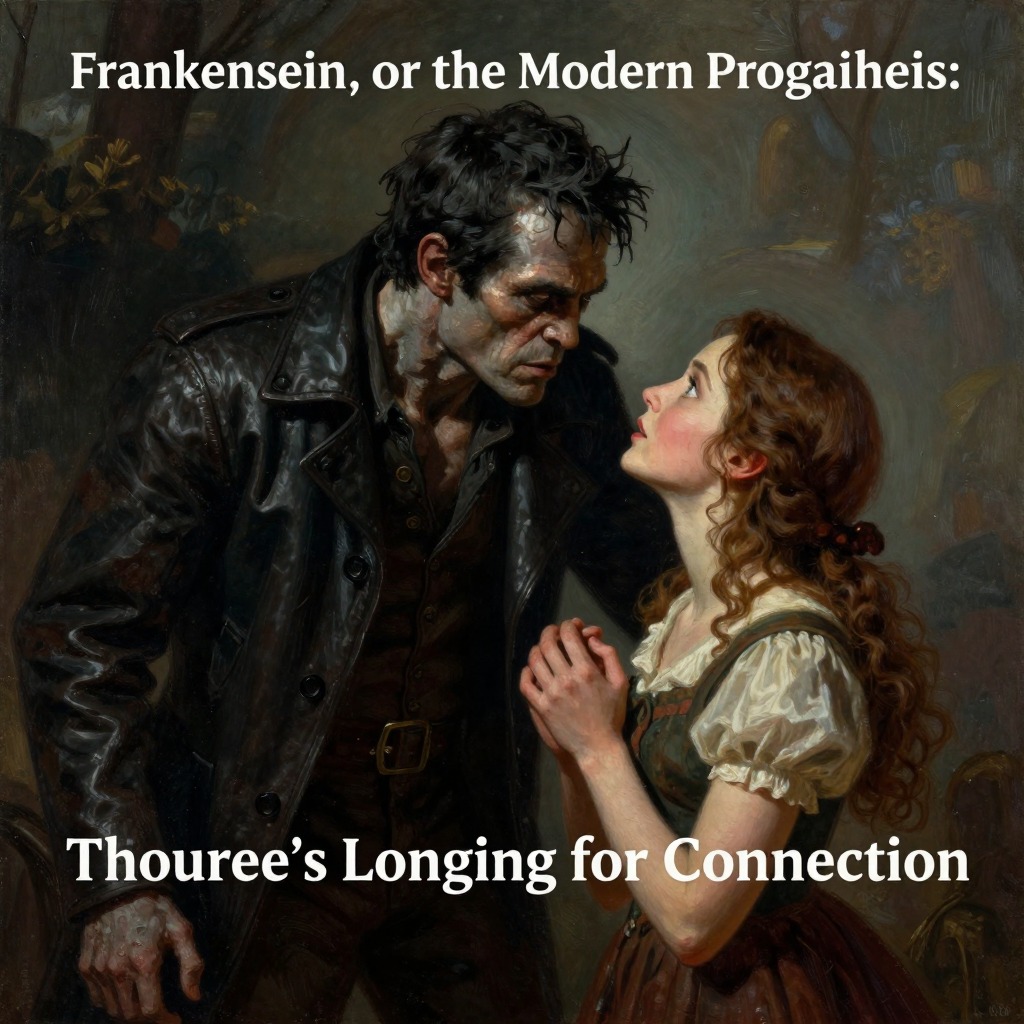
The monster's turn to vengeance is a tragic transformation, not an original trait. He begins his existence with a soul that "glowed with love and humanity," seeking only the sympathy and fellowship of others. His first experiences with humans are uniformly brutal: the shepherd who shrieks and flees, the villagers who attack him with stones, and the De Lacey family, whom he secretly aids for months, only to be violently driven away by Felix. The final, crushing blow comes when he attempts to befriend the blind De Lacey, only to be beaten and rejected by the returning children. It is at this moment that the monster declares "everlasting war against the species, and more than all, against him who had formed me and sent me forth to this insupportable misery." His vengeance is thus born from the absolute denial of his fundamental need for connection, a need his creator never fulfilled.
The Mechanism of Revenge: A Calculated Campaign of Destruction
The monster's vengeance is not impulsive but a calculated, systematic campaign designed to inflict maximum psychological suffering on Victor. After the De Laceys flee, he burns their cottage to the ground, destroying the only home he had known. He then travels to Geneva, where he encounters Victor's younger brother, William. Upon learning the boy's name, the monster declares, "Frankenstein! you belong then to my enemy — to him towards whom I have sworn eternal revenge; you shall be my first victim," and murders him. He then frames the innocent Justine Moritz for the crime by placing a miniature portrait of Caroline Beaufort in her pocket, ensuring her execution. This act demonstrates a sophisticated understanding of human justice and a desire to make Victor feel the same isolation and guilt he himself endures. The monster explicitly states his purpose: "I too can create desolation; my enemy is not invulnerable; this death will carry despair to him, and a thousand other miseries shall torment and destroy him."
The Logic of Vengeance: A Justification Rooted in Misery
The monster consistently justifies his vengeance as a direct and proportionate response to the injustice he has suffered. He argues to Victor, "I am malicious because I am miserable. Am I not shunned and hated by all mankind?" He sees his revenge as a form of cosmic justice, a way to force Victor to experience the same loneliness and despair. When Victor destroys the female creature, the monster's vengeance becomes even more focused and personal. He issues the chilling threat, "I will be with you on your wedding-night," a promise that transforms Victor's anticipated happiness into a source of dread. The monster's logic is that if he cannot have companionship, then Victor should not either. He declares, "Are you to be happy while I grovel in the intensity of my wretchedness? You can blast my other passions, but revenge remains — revenge, henceforth dearer than light or food!"
The Consummation of Vengeance: The Destruction of Victor's World
The monster fulfills his wedding-night threat not by killing Victor, but by murdering his new wife, Elizabeth Lavenza. This act is the culmination of his campaign, the final blow that breaks Victor's spirit. The monster then taunts Victor from the window, pointing at the corpse with a fiendish grin before escaping. The death of Elizabeth, following the murders of William, Justine, and Henry Clerval, leaves Victor utterly desolate. His father, Alphonse, dies of grief shortly after. The monster's vengeance has succeeded in making Victor as alone and miserable as he himself is. Even in his final conversation with Robert Walton, the monster admits that his crimes are "consummated" and that he has "irretrievably destroyed" Victor by destroying all he loved.
The Self-Destructive Nature of Vengeance
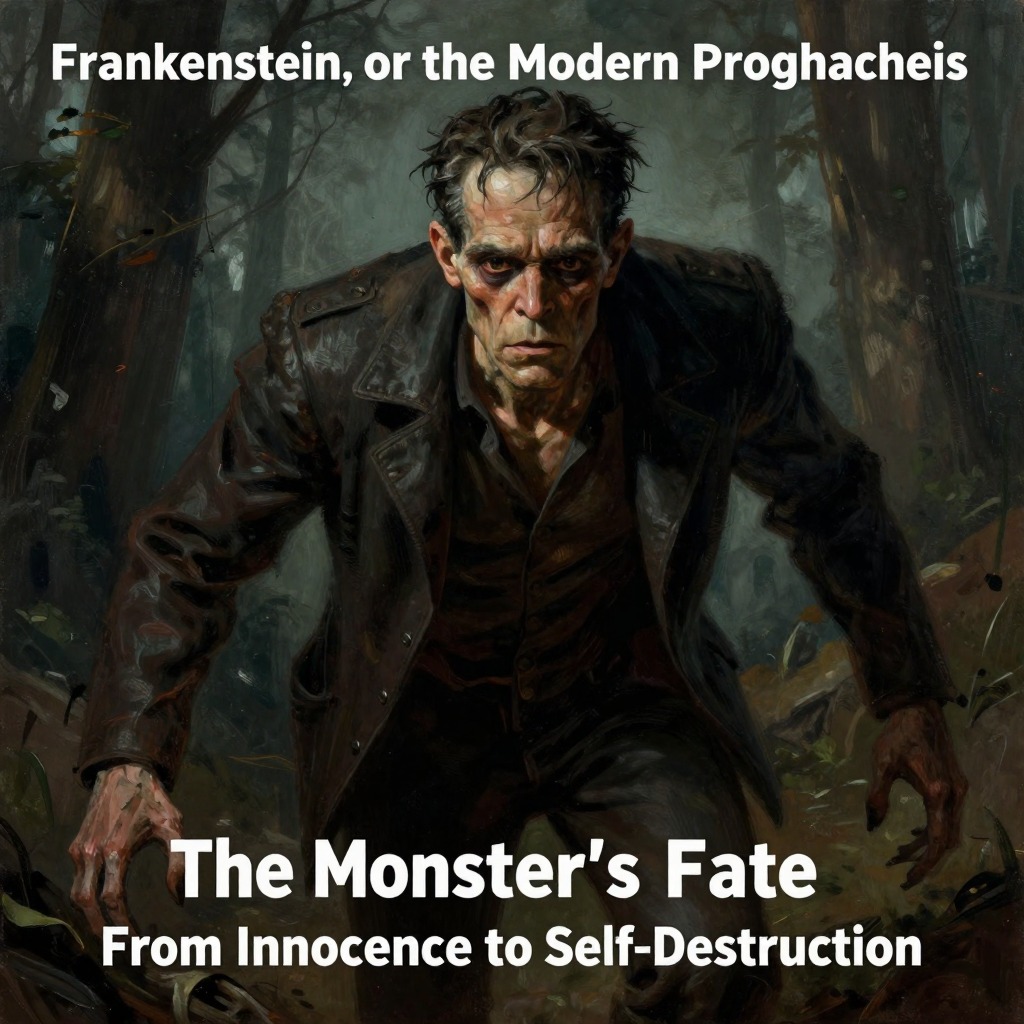
The monster's vengeance, while successful in destroying Victor, ultimately brings him no peace. He confesses to Walton that his heart was "poisoned with remorse" and that he suffered "the ten-thousandth portion of the anguish" that Victor did. His revenge is a compulsion he cannot disobey, a "frightful selfishness" that hurries him on even as his heart is filled with agony. After Victor's death, the monster's rage gives way to a profound and bitter self-loathing. He declares himself "the fallen angel" who has become a "malignant devil" and laments that he is "alone" in his desolation. His final act is not one of triumph but of self-imposed death. He vows to build a funeral pyre at the "most northern extremity of the globe" and burn himself to ashes, seeking in death the rest that eluded him in life. The monster's vengeance, therefore, is a tragic and self-consuming fire that destroys both the avenger and his victim, leaving only a cautionary tale about the consequences of neglect and the terrible power of a rejected being's wrath.